


Regulate Cell Growth and Strengthen Immune Defense With Nivora™ VIT-D3
Vitamin D deficiency is found in over 70% of cancer patients—and low levels are linked to increased risk, faster progression, and higher recurrence rates. Our high-potency VIT-D3 regulates abnormal cell division, strengthens your immune system's ability to destroy cancer cells, and helps prevent the uncontrolled growth that leads to tumors.
Couldn't load pickup availability
90-Day Money Back Guarantee
Research
Research
Research indicates that SFN (Sulforaphane), a compound found in cruciferous vegetables like broccoli and Brussels sprouts, can influence several biological processes related to cell mutation.
- Chemoprevention: SFN may help prevent cancer by enhancing the body's detoxification of carcinogens and reducing oxidative stress and inflammation.
- Anticancer Effects (in lab/animal studies): In cell and animal models, SFN has been shown to Induce programmed cell death (apoptosis) in unstable-mutating cells. Arrest the cell cycle, which stops mutating cell proliferation. Inhibit the formation and self-renewal of cancer stem cells (CSCs), a subpopulation linked to tumor resistance and relapse. Suppress metastasis and angiogenesis (formation of new blood vessels that feed tumors). Modulate gene expression through epigenetic changes, such as inhibiting histone deacetylases (HDACs).
SFN as a Co-Adjuvant Therapy
A key area of research is using SFN to enhance the effectiveness of conventional therapies and potentially reduce their side effects.
- Chemosensitization: SFN can make mutating cells more sensitive to chemotherapy drugs like cisplatin, doxorubicin, and paclitaxel, potentially allowing for lower drug doses and reduced toxicity to normal cells.
- Combination with Radiation: Preclinical studies suggest that combining SFN with radiation therapy can enhance the anti-tumor effects while protecting healthy tissues from radiation-induced damage.
- Immune System Modulation: SFN may help remodel the tumor microenvironment to be more supportive of anti-tumor immunity, though its effects on T-cell function mean timing and dosage with immunotherapy agents needs careful consideration.
What is VIT-D3? How Does It Help With BROC
What is VIT-D3? How Does It Help With BROC
BROC and VIT-D3 attack cancer from completely different angles—which is why they're so effective together.
BROC activates NRF2 — Your cellular detox system. Eliminates carcinogens and damaged cells. Protects healthy tissue during treatment.
VIT-D3 regulates cell division and immune function — Prevents abnormal growth at the cellular level. Activates your immune system to destroy cancer cells.
Do I take this before chemo, during, or only after?
Do I take this before chemo, during, or only after?
You can take it BEFORE, DURING, and AFTER treatment. Research suggests sulforaphane works best when started before chemo begins—it builds cellular defenses so your body is protected when treatment hits. Continue through your full treatment cycle to support recovery between rounds. Many people continue after treatment ends for ongoing cellular protection during remission. Two capsules daily with breakfast, whenever you start.
✓ 2 capsules in the morning with food
✓ Best taken consistently
No taste, no prep, no hassle—just swallow with water and get on with your day. Each bottle contains a 30-day supply.
How Does The Nivora Stack Help With BROC
How Does The Nivora Stack Help With BROC
BROC is the foundation—it activates your body's NRF2 pathway to eliminate abnormal cells and protect healthy tissue during treatment. But cancer operates through multiple pathways simultaneously. That's why we created the complete NIVORA stack.
Each supplement targets a different mechanism cancer cells use to survive and spread:
BROC (Sulforaphane) — Activates your cellular defense system (NRF2 pathway). Helps identify and eliminate damaged cells before they become cancer. Protects healthy cells from chemotherapy damage.
TURM (Curcumin) — Blocks NF-kB and inflammatory pathways that fuel tumor growth. Suppresses the chronic inflammation that creates an environment where cancer thrives. Triggers apoptosis in abnormal cells across multiple pathways.
OMEGA-3 (EPA/DHA) — Reduces pro-inflammatory signals that promote tumor development. Helps starve cancer cells by disrupting their inflammatory fuel source. Supports immune function during treatment.
EGCG (Green Tea Extract) — Induces programmed cell death (apoptosis) in mutating cells before they multiply. Helps prevent damaged cells from becoming cancerous. May enhance chemotherapy effectiveness.
VIT-D3 (Vitamin D3) — Regulates normal cell growth and division. Strengthens immune system's ability to recognize and destroy cancer cells. Supports healthy cell differentiation to prevent abnormal growth.

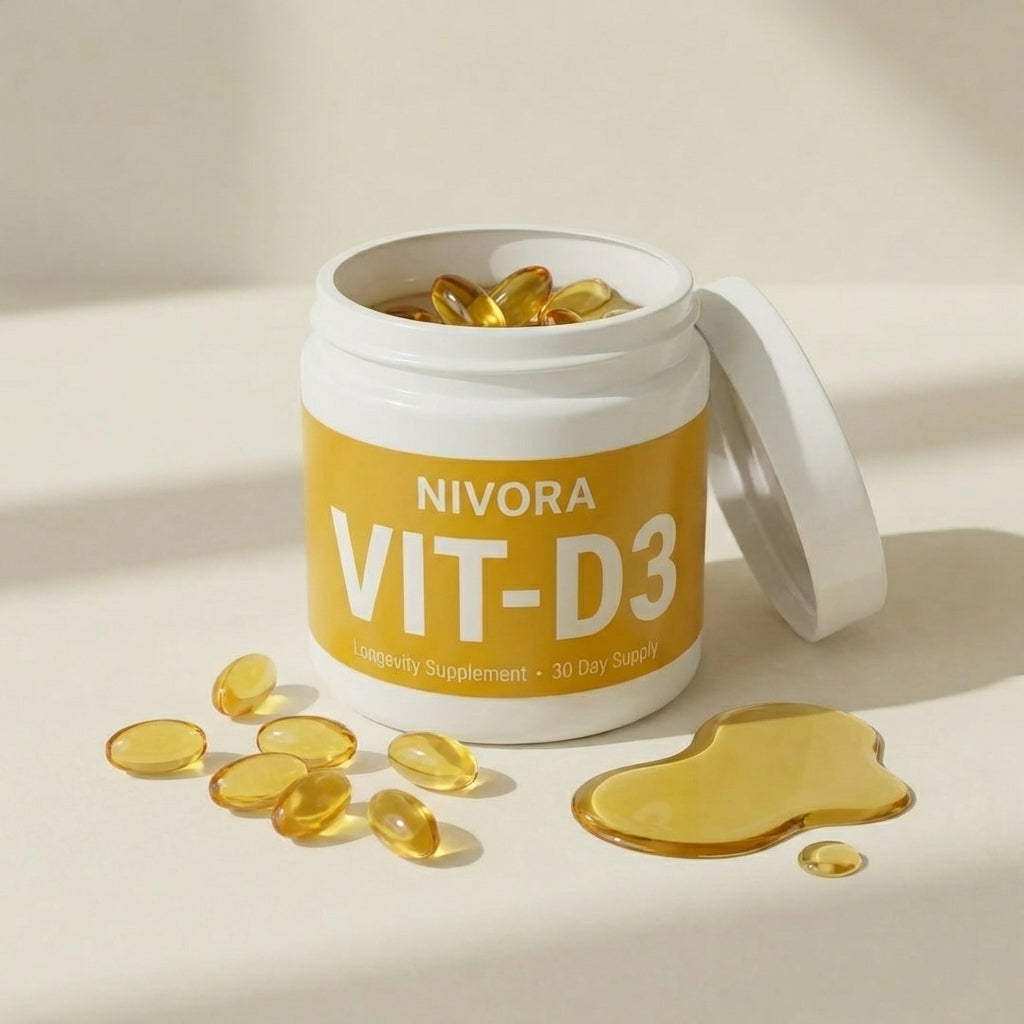

Tested by Independent Labs. Trusted by You.
Third-party labs verify VIT-D3 delivers 5,000 IU of bioavailable cholecalciferol. Over 70% of cancer patients are vitamin D deficient—and low vitamin D is linked to increased cancer risk, progression, and recurrence.
This is about maintaining blood levels that regulate cell growth and activate your immune system's cancer-fighting ability. You deserve therapeutic-dose D3 verified by independent testing, not the token 400 IU in multivitamins that won't move the needle.
Real Feedback From BROC Customers
In a recent customer survey, users reported:
91%
Feel they're actively supporting their body's during treatment.
86%
Noticed improved overall vitality and cellular energy levels
82%
Said they experienced better mental clarity and focus throughout the day
*Results based on a voluntary, self-reported customer survey conducted by Nivora in 2024. Individual results may vary.
People Also Buy...
-
TURM High Density Curcumin
Regular price $39.79Regular price $39.79 Sale priceUnit price per -
EGCG High Density Green Tea Extract
Regular price $39.79Regular price $39.79 Sale priceUnit price per -
OMEGA-3 High Density Fish Oil (DHA + BPA)
Regular price $39.79Regular price $39.79 Sale priceUnit price per -
VIT-D3 High Density Vitamin D3
Regular price $39.79Regular price $39.79 Sale priceUnit price per


Thousands Of People Trust BROC
-

★★★★★
Stage 3 breast cancer at 44. Started BROC during treatment after finding the sulforaphane research. I also added the rest of the NIVORA stack to support my cellular defense. I was terrified of the side effects—everyone told me chemo would destroy me. I lost maybe 10 pounds and kept my appetite through all 12 rounds. My oncologist said I handled treatment remarkably well. Eight months in—cancer-free now. I believe BROC helped my body fight back. Taking the complete stack daily is my insurance policy against recurrence.
-

★★★★★
I'm 48 and beat lung cancer last year. The fear of recurrence was gonna kill me. Started BROC three months ago after reading about the Nrf2 pathway and how it helps destroy abnormal cells. I also added the rest of the NIVORA stack to support my cellular defense. I can't know for certain if it's 'working,' but I finally feel like I'm doing something real to protect myself. My anxiety has dropped significantly because I'm taking action instead of just worrying about it coming back.
-

★★★★★
Worked in a paint factory for 22 years. Lung cancer at 52. Beat it, but I'm still exposed to chemicals daily—can't afford to retire. Started BROC and the complete NIVORA stack after researching how sulforaphane helps eliminate carcinogens from your system. Seven months in, my breathing is easier and my energy is back. I believe my body is finally detoxifying what I've been exposed to for decades. Latest scan came back clear. This stack is the only reason I can still work.


Frequently Asked Questions
Why wouldn't my doctor know about this?
Why wouldn't my doctor know about this?
Because it's not a drug. Pharmaceutical companies can't patent broccoli compounds, so there's no profit in promoting them. Medical schools teach drugs, not nutrition. The research exists—Johns Hopkins has been publishing it for 30 years. Your oncologist isn't hiding it from you; they just don't know it exists. Show them the studies. Most are genuinely interested.
And will they make me nauseous like everything else?
And will they make me nauseous like everything else?
Two capsules with breakfast. That's it. The sulforaphane is stabilized and combined with digestive-friendly ingredients. Most people report zero stomach issues—unlike chemo, which destroys your gut. If you can keep food down, you can take BROC.
Will this interfere with chemo or other drugs?
Will this interfere with chemo or other drugs?
Research suggests sulforaphane may actually ENHANCE chemo effectiveness, not interfere with it. That said, always inform your oncologist about any supplements. BROC is a food-derived compound—it's closer to eating broccoli than taking a drug. But your doctor should know everything you're taking.
Does this prevent recurrence?
Does this prevent recurrence?
No. We're not saying BROC prevents cancer or stops recurrence. What research suggests is that sulforaphane may help your body handle treatment better, protect healthy cells, and support cellular defense mechanisms. Cancer is complex. There are no guarantees. BROC is one tool—not a cure. Use it alongside your full treatment protocol, not instead of it.